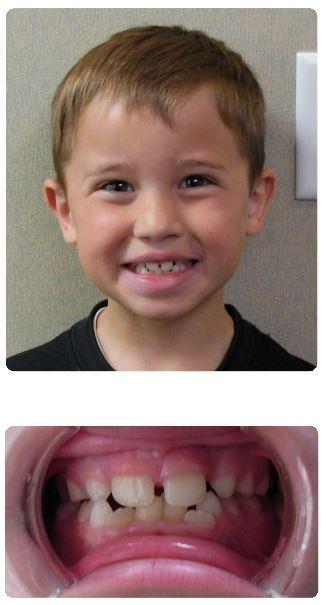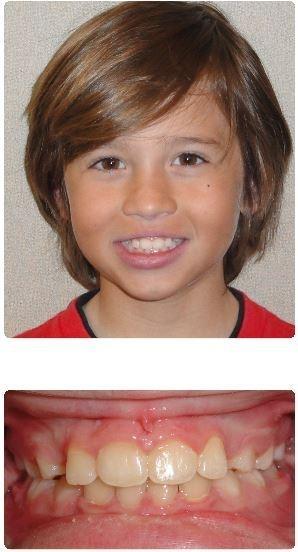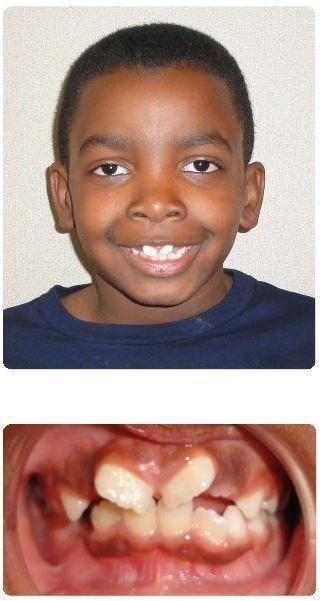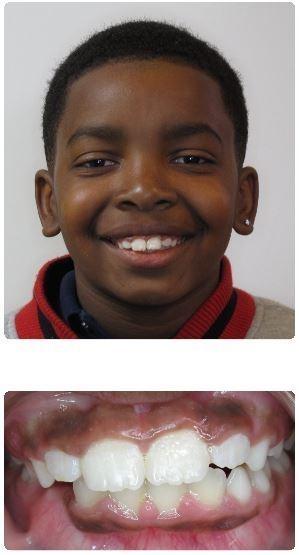
Children's Orthodontics Phase II
 Phase II orthodontic treatment is what most people visualize when they think of a full set of braces. While phase I early childhood orthodontics is for children under age eight, phase II orthodontics are for anyone over the age of 10 or 11 into adulthood.
Two-phase orthodontic treatment is a proven way to decrease the time spent in full braces and prevent more severe problems later. However, not all children need phase I, or early orthodontic treatment. In those cases and for adults, phase II orthodontic treatment is sufficient and typically lasts 18 to 30 months.
Who Needs Phase II Orthodontics?
Orthodontics are now common in both kids and adults. Children become candidates for phase II orthodontics once a child’s permanent teeth have finished erupting. While it's sometimes obvious that you or your child needs braces, only an orthodontic specialist can identify hidden issues that could lead to bigger problems if not treated.
Here are some common reasons for getting braces:
- Crooked teeth
- Protruding teeth
- Overcrowded teeth
- Gaps between teeth
- Malocclusion, such overbite or underbite
- Misaligned jaws
- Difficulty eating, chewing, or speaking
Wear and tear on your teeth, TMJ, and sleep apnea may also be resolved with the proper phase II orthodontic treatment. When you visit your orthodontist specialist, it’s important to discuss all of your oral concerns that may signal the need for orthodontics.
How Do Phase II Orthodontics Work?
Braces consist of brackets that are bonded to the teeth and wires that run through each bracket, allowing the teeth to be moved into position over time. The materials used are one factor that differentiate braces:
High-grade stainless steel is the most commonly used material for traditional braces. Much smaller than bulky braces of the past, metal braces are a cost-effective and versatile option for almost every type of malocclusion.
Ceramic braces offer a natural-looking alternative to traditional braces. Typically more expensive, these tooth-colored braces can be slightly more prone to breaking.
Another popular option is clear aligners, which offer a faster treatment time for less complex treatments. These plastic, retainer-like trays are removable so that eating and dental hygiene are simple and easy.
 Typically, the more complicated the orthodontic problem, the longer you’ll need braces. But you can be sure that you’ll love your smile when the process is complete!
You may need to wear a retainer for a couple of years after your braces come off to ensure that your teeth don’t move. Some patients need to wear a permanent retainer to keep their teeth straight in the long-term.
How Can You Benefit from Phase II Orthodontics?
When it comes to self-confidence, nothing beats teeth that are healthy, properly aligned, and well-cared for. If you’re self-conscious about smiling or laughing, investing in orthodontics can be life-changing.
But orthodontics aren’t just for aesthetics. Fixing jaw, bite, and teeth problems can have a big impact on your quality of life, including chewing, eating, speaking, and even sleeping.
Call for a Consultation Today!
Phase II orthodontic treatment is an investment in your future. Call our office today to learn more about how our orthodontic specialist can help you achieve your best smile.